Poster – Adaptation of an AI-Based Robotic Platform for Automated Medaka Embryo Sorting
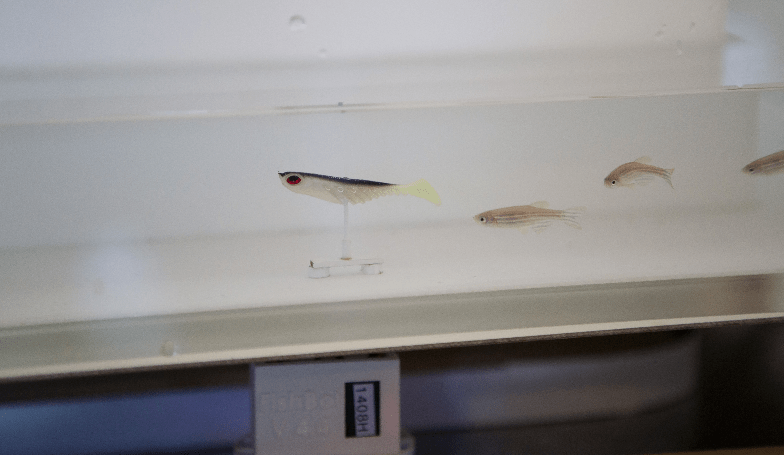
Manual sorting of Medaka (Oryzias latipes) embryos for toxicology is labor-intensive and operator dependent. Following the OECD 234 (1), OECD 240 (2), OECD 251 (3) and OECD 252 (4) guidelines to medaka embryo testing, for endocrine disruption assays, requires strict validation of embryo staging and quality. Conventional manual methods for counting and sorting are not only laborious and time consuming but also provide ergonomic hazards. The everyday counting and sorting of substantial quantities can result in musculo skeletal strain, causing discomfort in the neck, shoulders, and back among workers. This study adapts a zebrafish-focused robotic platform for Medaka, by retraining AI models for Medaka morphology and optimizing physical handling parameters, aiming to reduce the load on personnel and minimize the time spent on counting, allowing it to be better allocated to other tasks.
Advancing 3D Cell Culture with Automation: Organoids, Spheroids and Assembloids

The shift to 3D cell culture, with spheroids, organoids, and assembloids, is opening new doors in biological research, offering models that better mimic human tissues and disease. Yet as these models become more intricate, so do the challenges: ensuring uniformity, establishing reproducible and scalable production, etc. This month, we explore how automation is helping researchers […]
Application note – Intelligent Automation for Advanced 3D Models

Would you like to automate your organoids workflows to standardise and scale your assays? Three-dimensional (3D) cell culture models are transforming biomedical research by enabling in vitro physiologically relevant systems that better mimic native tissue structure and function. While constructs generation technologies have advanced significantly, downstream processes such as selection, characterization, and plating often remain […]
How Automation is Advancing Fish Models in Toxicology

When it comes to toxicology, fish embryo offer something rare: models that are fast, ethically sound, and biologically relevant. But as research scales up, manual workflows can become a bottleneck, limiting both speed and reproducibility. In this month’s article, we explore how automation is changing the game, helping labs unlock the full potential of fish […]
From Manual Handling to Automation: The Future of Zebrafish Embryo Workflows

Handling zebrafish embryos may seem simple, but doing it at scale is often a real challenge. This month’s article explores how workflows are shifting toward automation to support higher throughput, better reproducibility, and streamlined research processes. Introduction Current Workflows in Zebrafish Embryo Research The Role of Automation Applications in Drug Testing, Toxicity & More Conclusions […]
EvoDevo in Zebrafish: Bridging Evolution, Development, and Drug Discovery

Evolutionary Developmental Biology, also known as EvoDevo, explores how developmental processes shape evolutionary change. Zebrafish, with their unique genetic and developmental features, have become a cornerstone for EvoDevo research and a powerful tool for drug discovery and toxicity testing. This article introduces the science behind EvoDevo, the advantages of zebrafish as a model, and how […]
How can zebrafish eggs help us understand climate change?

The last decade was the hottest on record, and its consequences go far beyond melting glaciers. Climate change is disrupting ecosystems, threatening food security, and putting human health at risk. To address these complex challenges, scientists need research tools that are not only robust and predictive but also ethical and scalable. That’s where New Approach […]
From promise to practice: Why alternatives to animal testing aren’t yet scalable

As described in last month’s article, New Approach Methodologies (NAMs) and Non-Animal Technologies (NATs), like organoids or fish eggs, are transforming the landscape of biomedical research, toxicology, and drug development. By offering human-relevant insights while reducing or replacing animal use, they hold the promise of more ethical, predictive, and cost-effective science. So, what’s limiting their […]
Automating the sorting of Xenopus oocytes and embryos

Xenopus laevis is the scientific name of the African clawed frog. This species is native from southern Africa and inhabits slow moving water or stagnant ponds. Its facility to adapt to different environments and conditions makes it considered as an invasive species in Europe, North America and South America (1). The consequence of its invasiveness […]
The AquaSorter, a solution to automate the screening and sorting of fish eggs for the aquaculture industry

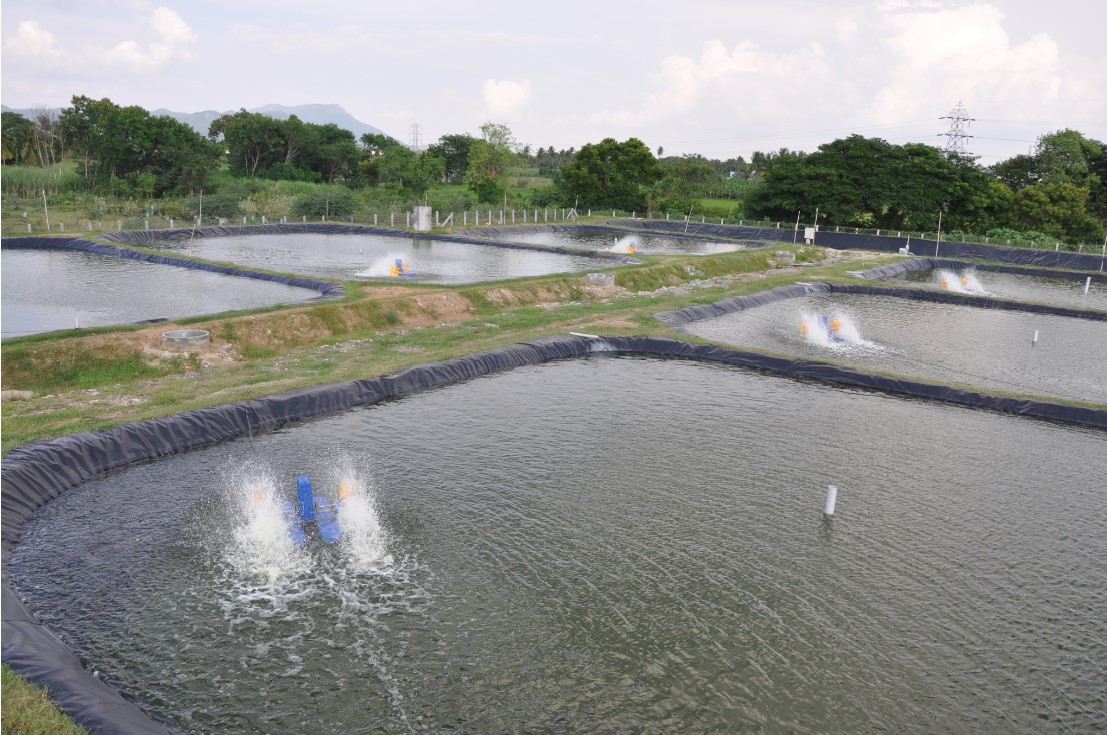
This month’s article will target the amazing news that we received in May! Bionomous was selected to receive the support of Innosuisse in the frame of the Swiss Accelerator. Our project AQUASORTER (Automation and QUAlity SORting Tools for thE aquacultuRe industry) will receive the necessary funding to adapt our current technology for the fish farms […]